Dylanvir
Atlas

Find your way
into the atlas.

Begin with something that catches your eye. Open its story, then follow the connections.

Choose a way into the atlas
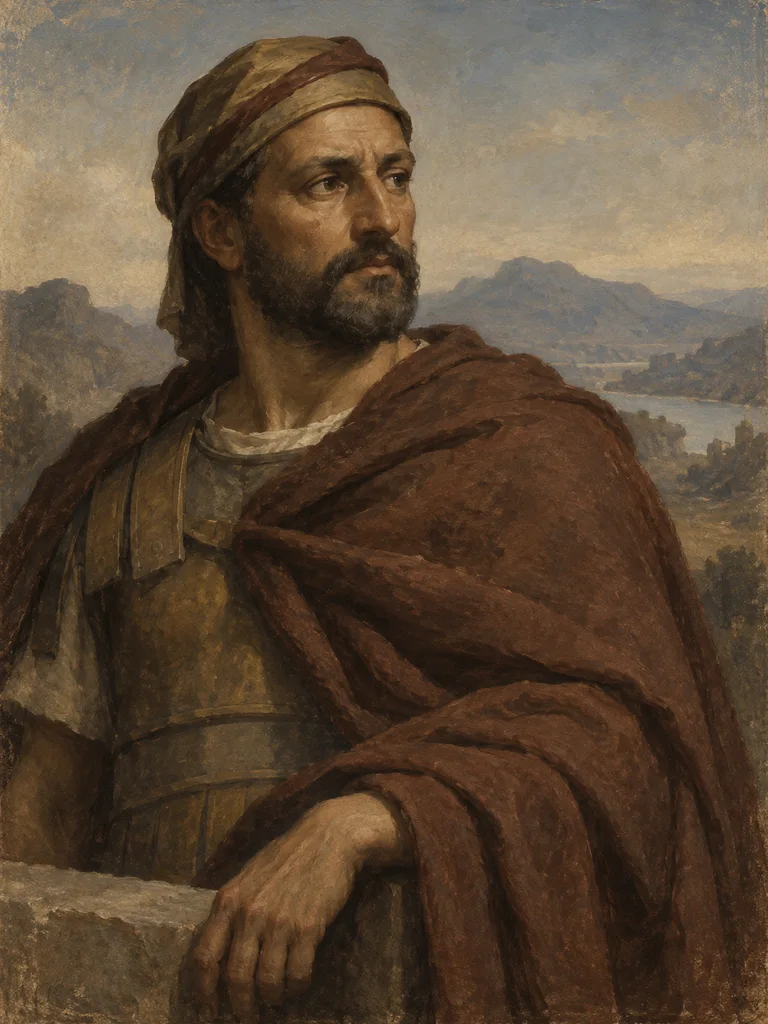
Imagined painted portrait of Hannibal Barca.
Created for Dylanvir LLC using Codex image generation from our original prompts. AI-generated interpretation; face, clothing and setting are imagined.

A person in the record

Hannibal Barca

From the Alps to Cannae.
Then what?

Follow an army across the mountains, into a victory, and on to a defeat. The same commander gives you a way through the records.

Open a moment: Cannae

Hannibal pushed his weakest troops forward in a crescent. As the massed Romans drove the center back, it bent inward by design; his veteran African infantry on the wings and his cavalry closed behind, sealing the Romans into a shrinking pocket where numbers became a death trap.

Read the complete entry and its context ↗

Step inside Cannae · read the illustrated story ↗

Follow his recorded engagements

  1. 218 BCHannibal's Crossing of the Alps ↗
  2. 216 BCBattle of Cannae ↗
  3. 202 BCBattle of Zama ↗

These links follow the engagements named in this commander's entry. They are a path through the atlas, not his complete life.
Open Hannibal's full story ↗

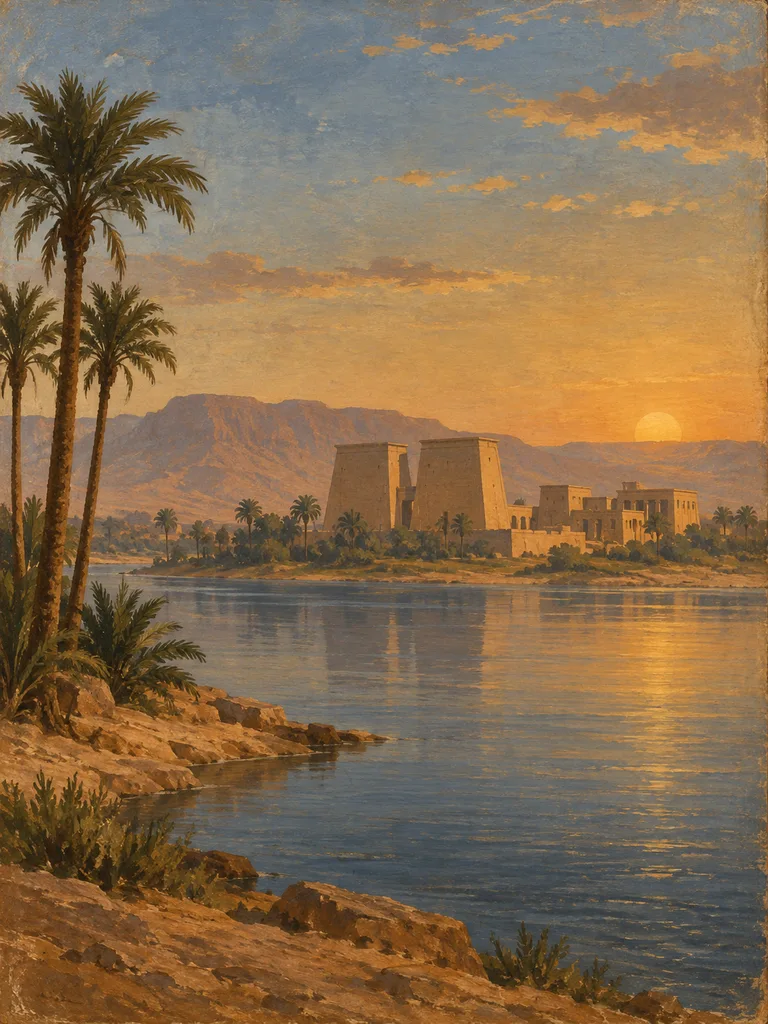
Imagined Nile landscape with temple pylons and palms.
Created for Dylanvir LLC using Codex image generation from our original prompts. AI-generated imagined setting, not an archaeological reconstruction.

A place to begin

Along the Nile,
beyond the Nile.

New Kingdom of Egypt

Egypt; c. 1550-1070 BC (18th-20th Dynasties), founded after expelling the Hyksos

See the reach described in the record

Nile Valley plus imperial holdings in Canaan and Syria and control of Nubia

Open the aftermath

Declined after the 19th-20th Dynasties amid Sea Peoples invasions, economic strain and loss of the Levantine empire, ending c. 1070 BC

Meet the people in this entry

The landscape invites you into the account. The named people take you to the recorded engagements.

Open the complete house entry ↗

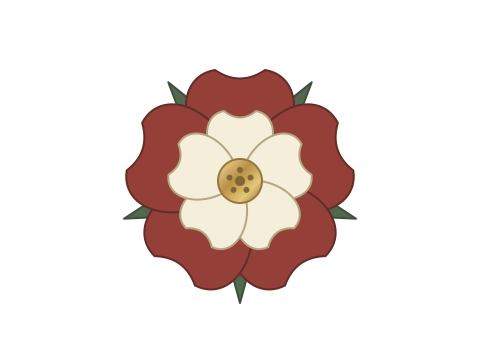
A Tudor rose with five red outer petals, five white inner petals, green sepals and a gold centre.
Original illustration for Dylanvir LLC, drawn with Codex after the linked historical reference. A schematic drawing.

A symbol with a story

The Tudor rose

Look closely.
Then open its meaning.

Tudor dynasty, 1485-1603. A badge associated with the dynasty.

Read the colours and form

Five red outer petals surround five white inner petals. The two colours are combined within a single flower.

A dynastic badge, distinct from the royal coat of arms. This larger study preserves the rose that appeared in the first illustrated version of this volume.

Historic Royal Palaces: the Tudor rose ↗

Pause and recall: flag, arms, or badge?

A badge. The Tudor rose differs from the royal shield that combined the arms of England and France. You can compare them on the house page.

An optional reading pause. Opening the answer does not measure what you remembered.

Explore the rose and royal shield together ↗

The whole atlas
is still here.

Use the illustrated path for a beginning, or go directly to the record you want.

a study of how battles were actually won

The chronological book

170 battles · 3,995 years · 2004 BC — 1991

Houses, flags & older empires · guided learning · Faith, rites & reform → · Explore Atlas layers · Find anything → · Volume II · The Commanders → · Volume III · The Houses → · Numbers · arithmetic as a state technology → · Thraldom · what a person could be made to owe →

Earlier introduction · how this book began

This introduction first led into the chronological contents. The illustrated entrance now offers another way in; the earlier reading remains here.

Bound in the only honest order — the order it happened. The space between entries is drawn to the years that actually passed, so the long silences of antiquity read as long, and the crowded modern century reads as crowded. Entries are admitted on the record, not the legend: real, based wins.

That crowding is a fact about records, not about war. The nearer a century stands, the more of it survived to be written down. So this book can tell you what is here and how it was won; it cannot tell you where more was fought.

Each chapter opens on its own page, and each entry opens where it stands — the whole record is here, it is simply no longer all on one sheet.