
Volume III · The Houses
Inca Empire (Tawantinsuyu)
Expanded from the kingdom of Cusco in the early 15th century, traditionally under Pachacuti
Engagements recorded here: 1532. This is a span of records, not the lifetime of this house.
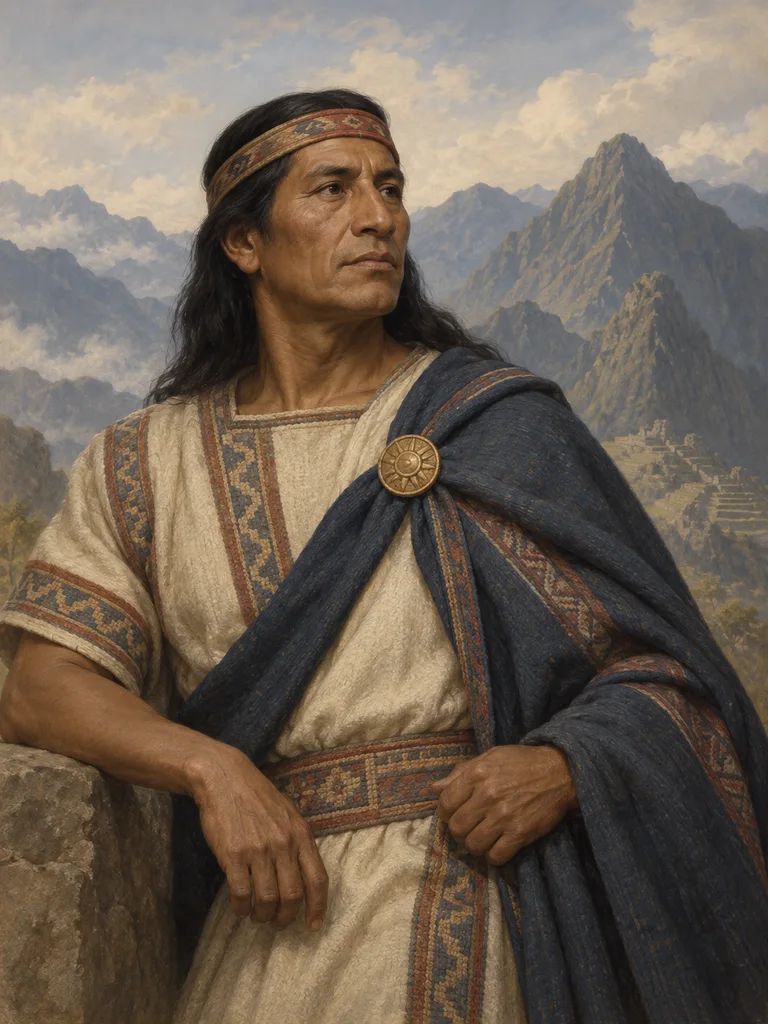
Created for Dylanvir LLC using Codex image generation from our original prompts.
AI-generated interpretation: face, clothing, and setting are imagined.
Follow one chapter at a time, or open the whole account.
01The people in the record
02At its height
Late 15th-early 16th century; largest empire in the pre-Columbian Americas
Territory in the record
Andean South America from modern Colombia/Ecuador to central Chile and northwest Argentina
03What became of it
Decapitated at Cajamarca (1532); Cusco fell, and the Neo-Inca State at Vilcabamba was destroyed in 1572
04What remained
Remarkable road, administrative, and storage systems; enduring Quechua language and Andean identity
Made for Dylanvir LLC · about these images
The painted portraits and landscapes were created here with Codex image generation from our original prompts, written for this collection. They are original generated illustrations, not photographs or reproductions of archival portraits.
Each house portrait accompanies a person already named in its account. Faces, clothing, and settings are imagined; a realistic painting does not establish a historical likeness. Entries without a named figure keep their text without an invented representative.
The flags and heraldic drawings are original illustrations for Dylanvir LLC, drawn with Codex after their linked historical references. The designs themselves belong to their historical or living traditions. Captions distinguish flags, coats of arms, parts of arms, and badges, and identify the period and use shown.
This reading keeps the wording of the atlas's public house entry. The people named here are those in this entry, not a complete family tree. About the sources ↗