
Volume III · The Houses
Akkadian Empire
Mesopotamia, centered on the (still unlocated) city of Akkad; founded c. 2334 BC (disputed)
This entry has no dated engagement span in the atlas yet.
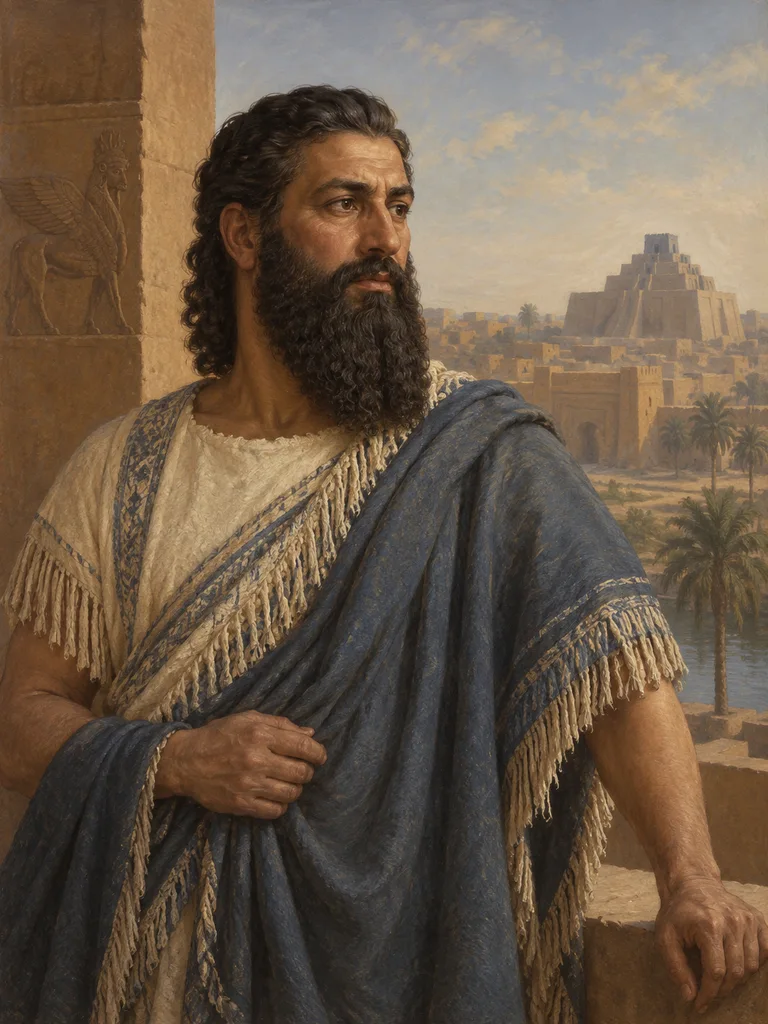
Created for Dylanvir LLC using Codex image generation from our original prompts.
AI-generated interpretation: face, clothing, and setting are imagined.
Follow one chapter at a time, or open the whole account.
01The people in the record
Founder in the recordSargon of Akkad
People named in this entry
- Sargon of Akkad
02At its height
Reign of Sargon and his grandson Naram-Sin, controlling Mesopotamia from the Persian Gulf toward the Mediterranean
Territory in the record
Lower and Upper Mesopotamia and adjacent regions, with campaigns reaching Elam and the Levant
03What became of it
Declined after c. 2154 BC amid revolts, famine and Gutian incursions; generally regarded as history's first empire
04What remained
Pioneered centralized multi-ethnic empire, a standing army, and Akkadian as an administrative language; a model for all later Mesopotamian empires
Made for Dylanvir LLC · about these images
The painted portraits and landscapes were created here with Codex image generation from our original prompts, written for this collection. They are original generated illustrations, not photographs or reproductions of archival portraits.
Each house portrait accompanies a person already named in its account. Faces, clothing, and settings are imagined; a realistic painting does not establish a historical likeness. Entries without a named figure keep their text without an invented representative.
The flags and heraldic drawings are original illustrations for Dylanvir LLC, drawn with Codex after their linked historical references. The designs themselves belong to their historical or living traditions. Captions distinguish flags, coats of arms, parts of arms, and badges, and identify the period and use shown.
This reading keeps the wording of the atlas's public house entry. The people named here are those in this entry, not a complete family tree. About the sources ↗