
1876
Battle of the Little Bighorn
The setting
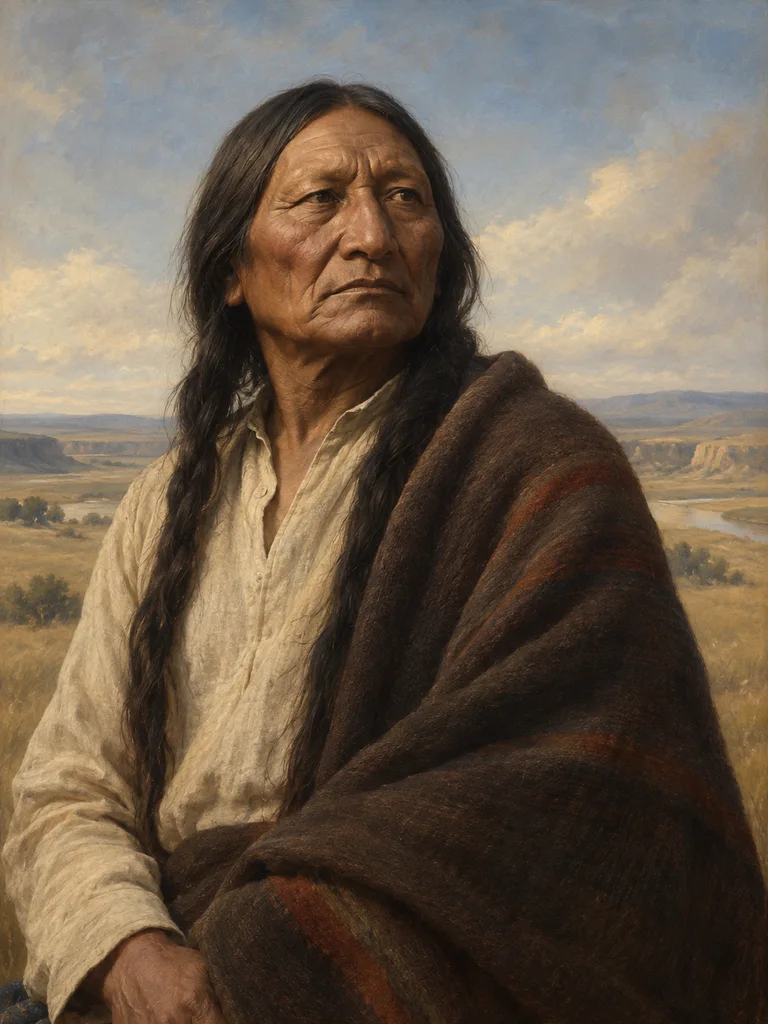
Little Bighorn River, Montana Territory (Greasy Grass to the Lakota)
River valley with bluffs, ravines, and coulees overlooking a very large allied encampment
Reveal the outcome
Recorded sideLakota, Northern Cheyenne, and Arapaho
Recorded resultDecisive victory
Decisive Native victory. Custer divided his regiment and attacked a far larger camp; the five companies under his immediate command were surrounded and killed, while the rest were besieged.
How the atlas explains it
Concentration of numbers at the point of contact, mobility, terrain, and Custer's decision to split his force allowed the allied warriors to envelop and overwhelm an outnumbered, divided enemy.
What followed
The most famous Native battlefield victory of the Indian Wars. Yet it provoked an overwhelming U.S. response: within a year the great encampment had scattered, Crazy Horse had surrendered, and the destruction of the buffalo, railroads, and relentless attrition broke Lakota independence. Tactical triumph, strategic catastrophe.